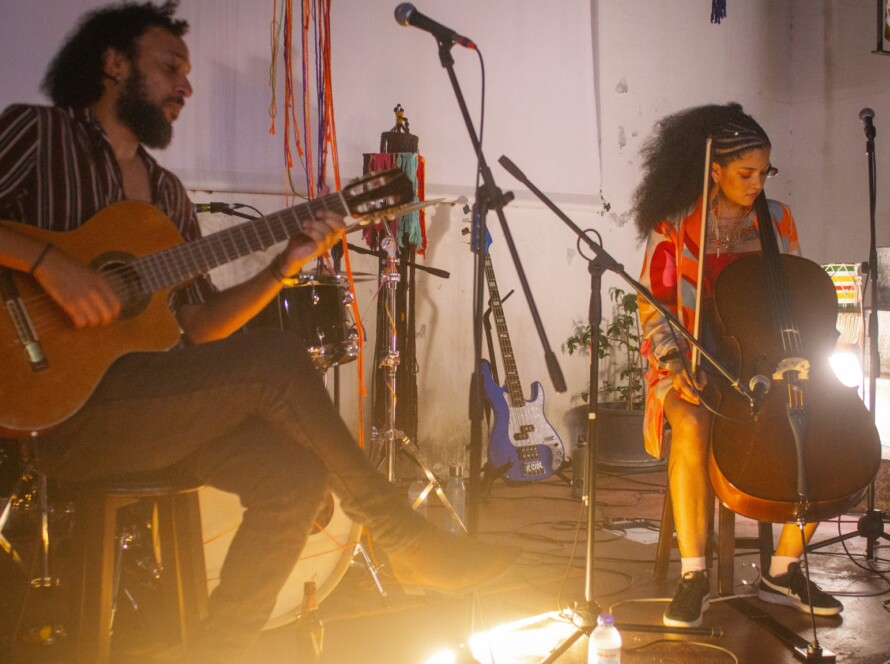
While I was having a beer and listening to Agnaldo Timóteo with a friend, we remembered an acquaintance, more his than mine, a musician who for a long time carried himself with an air of superiority. Suddenly we heard that he was working at a subway station. I laughed. At first the laugh sounded disrespectful, but soon we started talking and putting things into context. That guilty laugh opened the door to an alcohol fueled reflection on ego and arrogance.
I remember this guy years ago parading around with an exaggerated musical confidence, the kind typical of people who lean on illusions and unresolved insecurities. He belittled his peers, proclaimed empty certainties, and placed himself above everyone else. In the end, he became just another ordinary worker. And the truth is that all of us, without exception, pay bills, deal with household problems, and face the same basic needs. In everyday life, no one is as special as they imagine.
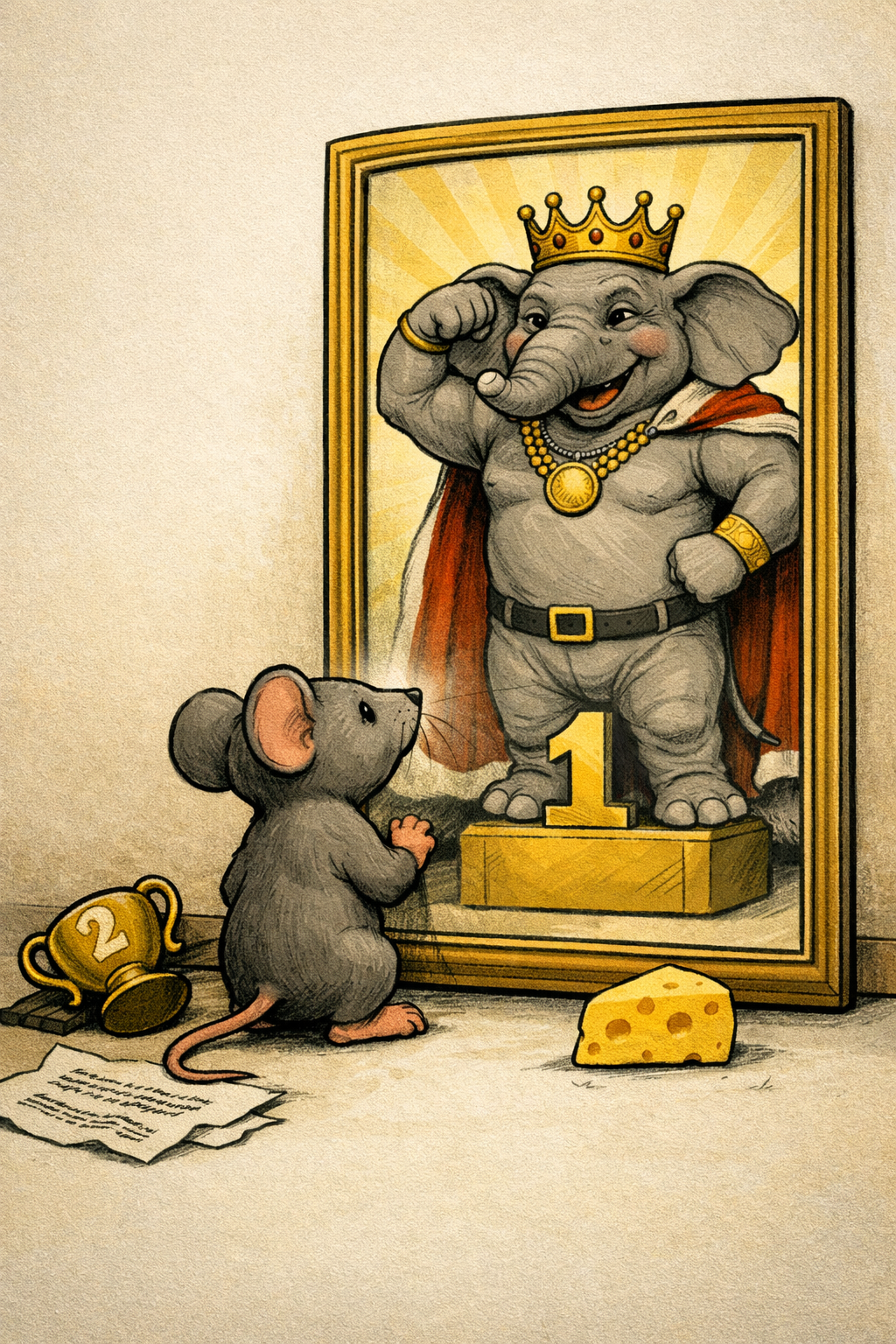
When we are children or teenagers and begin practicing something, whether a sport or an art, we create an image of ourselves with a kind of elephantiasis of our abilities. We look in the mirror through a lens of exaggeration. In a way this is positive because it fuels motivation. But what do we do with that ego when we grow up? How do we deal with the realization that in every neighborhood there is at least one person better than you? At least one. How does someone become relevant? And what does it even mean to be relevant?
We live in an era of overexposure, and the concept of relevance has changed a lot. The eccentric person from the neighborhood now has visibility and can feel important. The funny kid from the street now performs in front of a phone and finds an audience that validates him. The feeling of standing out, which once depended on talent or real recognition, can now arise simply from constant exposure.
The reality of life is the funeral of illusions! (This is a brilliant line I first heard while watching the beautiful documentary Edifício Master by my idol Eduardo Coutinho)
Sometimes I wonder if this sense of instant relevance does not create an illusion even more dangerous than the one we had in adolescence. Back then, an inflated ego was almost a rite of passage, something that time and the presence of better people naturally corrected. Today, however, any flicker of attention can be mistaken for greatness. Validation no longer comes from a process, but from a click. And this feeds an ego that does not mature, it only expands.
Maybe that is why the laugh at the news was so revealing. It was not about him, but about us. About how we project unrealistic expectations, about how we believe certain paths place us above others, and about how we forget that life is much simpler and more leveling than we would like. Arrogance collapses when we realize that no one is immune to everyday life, to ordinary work, to the silent effort that sustains everyone’s existence.
The ego, when not confronted, pulls us away from reality. But when we observe it with sincerity, it becomes a tool to understand who we are and who we are not. Arrogance, when not confronted, becomes a toxic monster that destroys everything around it.
There is nothing more arrogant and boring than an academic roundtable filled with academic titles looking down on people’s behavior. That is not the intention here. I just want to invite you to pull up a chair, sit down, fill your glass with a cold Brahma, eat a moqueca, and observe humanity.
I drifted a lot and my text ended up becoming my line of argument after seventeen beers, but in the end, if you are not Heitor Villa Lobos or Graciliano Ramos, shut up and go find a widowed donkey to sleep with.
I repeat, paraphrasing the building manager from Edifício Master, but now in my mother language: A realidade da vida é o funeral das ilusões.