
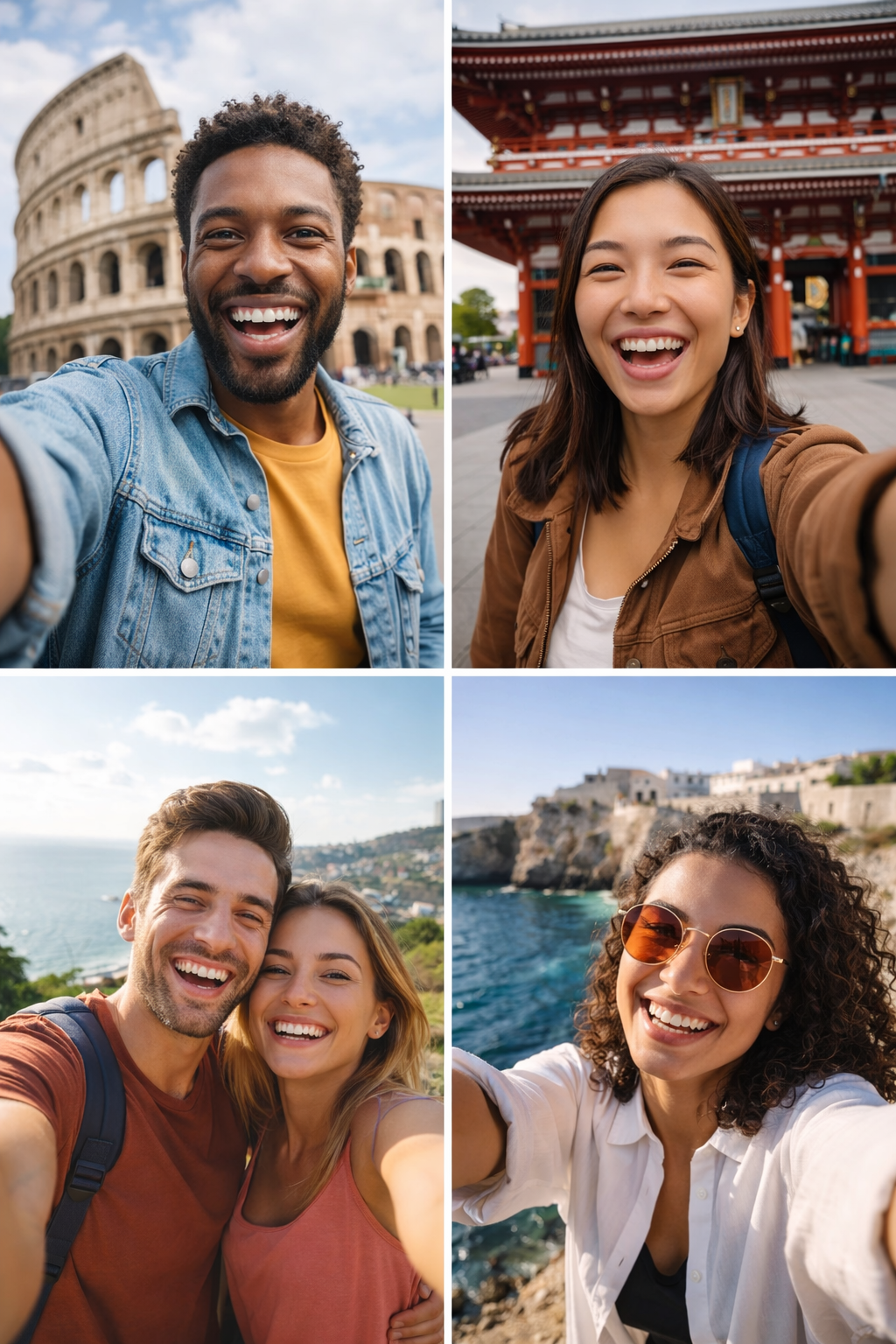
We live in an era where appearance has taken on disproportionate weight. With a phone in hand, any moment can become a self-produced photoshoot ready to be shown to the world. That brought freedom, no doubt, but it also fostered a tendency to trivialize the self, when looks come to matter more than the story behind them.
What excessive exposure reveals
When someone repeatedly posts images seeking approval, it is not only vanity at play. Often there is a need for validation, a desire to be seen and acknowledged. A like acts as a small, immediate reinforcement, and that can turn images into emotional currency. At the same time, easy access makes everything feel ordinary: trips, meals, meetings, all become content ready for consumption.
Between beauty and identity
Saying someone is beautiful does not answer the deeper question: who is that person beyond the photo? An image can capture a moment, but it does not tell the daily life, the doubts, the quiet achievements. When the search for superficial praise dominates, we lose the chance to show and discover more authentic layers. The difference between visiting a city and merely posting photos of it is the lived experience; an image without context can feel empty.
Technology’s role and what’s coming next
The arrival of artificial intelligence promises to make image production even more accessible and immediate. That could accelerate the banalization of images, turning visual creation into something more automatic and less tied to personal experience. On the other hand, technology can also deepen narratives if we choose to tell stories with intention and honesty.
An invitation to reflect
There is no need to condemn those who enjoy photographing or sharing moments. The point is to look beyond the reflection and ask about motivations and consequences. Valuing authenticity, sharing real experiences, and letting images be a doorway to richer conversations can restore meaning in this saturated world.